






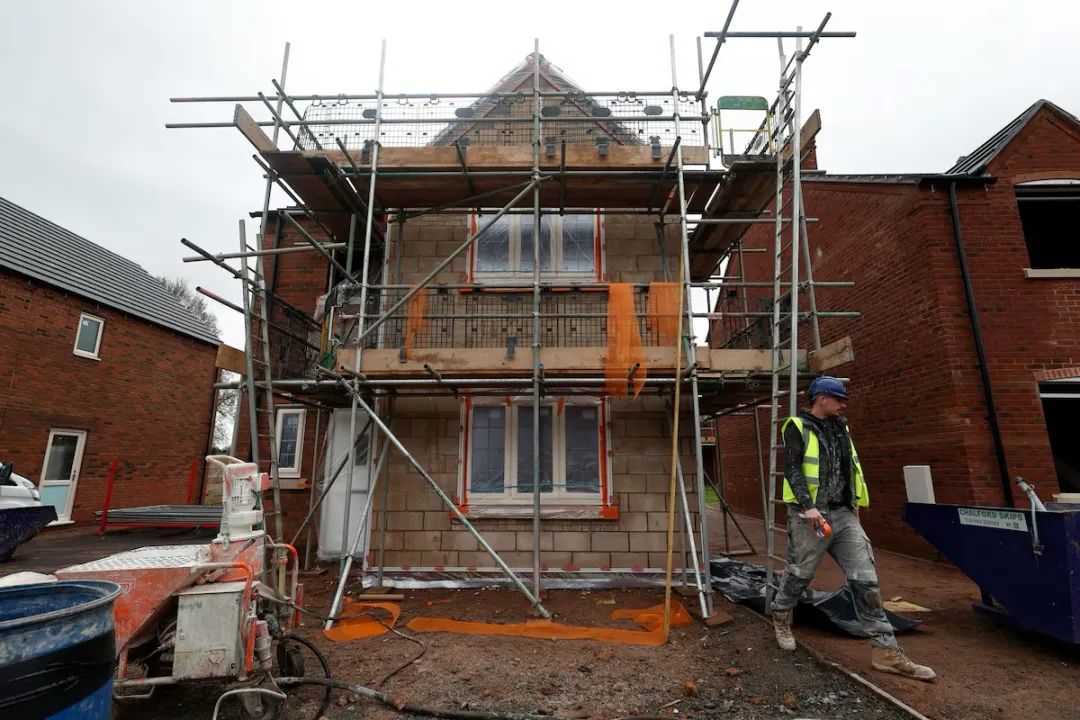
UK Construction PMI Rises to 6-Month High in June but Remains in Contraction
Britain’s construction sector showed mixed signals in June, with the Purchasing Managers’ Index (PMI) edging up to 48.8—its highest level in six months—yet still lingering below the 50 threshold that separates expansion from contraction. A stark divide emerged within the industry:
Japan’s Spring Wage Hikes Hit New High, but Real Purchasing Power Shrinks; U.S. Tariff Standoff Looms
Japan’s 2025 "shunto" (spring wage negotiations) concluded with average pay hikes reaching 5.25%—equivalent to ¥16,356 per month—marking the second consecutive year of 5%-plus increases. Small and medium enterprises (SMEs) offered 4.65% raises (¥12,361 monthly), up 0.2 percentage points from 2024 but still lagging far behind large corporations. The Japanese Trade Union Confederation noted that while wage gains expanded, SMEs failing to hit the 5% threshold widened income disparities.

New Zealand Household Savings Deteriorate Further; Housing Market Shows Uneven Recovery
New Zealand’s household savings situation continued to worsen in the first quarter of 2025, with Statistics New Zealand data showing savings falling to -NZ$1.6 billion (a NZ$392 million quarterly decline), marking the third consecutive quarter of negative savings. This was driven by household spending growth (+2.2% to NZ$62.2 billion) outpacing disposable income gains (+1.5% to NZ$60.6 billion).

Australian Shares Edge Higher on Wall Street Record; RBA Rate Cut in Focus
Australian stocks rose modestly on Friday (July 5), buoyed by fresh record highs on Wall Street. The S&P/ASX 200 gained 0.17% to 8,610 in midday trade—less than 30 points from its all-time peak—while the All Ordinaries Index added 0.16% to 8,847.3. Despite stronger-than-expected U.S. jobs data dampening hopes for a July Fed rate cut, markets reacted positively to signs of economic resilience.

One in Four French Households Live in Severely Under-Occupied Homes: Insee Study
A study released by France’s National Institute of Statistics and Economic Studies (l'Insee) on Tuesday, July 8, reveals that a quarter of French households reside in severely under-occupied homes—defined as having at least three more rooms than actually needed. This phenomenon affects 7.6 million primary residences, 93% of which are single-family houses, with three-quarters of these under-occupied homes exceeding 100 square meters in size.