


Mexicans' Unusual Dietary Habit: Eating Cacti Daily
In Mexico, cacti are not just desert plants dotting the arid landscapes; they are an integral part of the local diet. It might sound astonishing, but Mexicans consume cacti on a daily basis. This unique culinary practice has deep roots in the country's culture and environment.
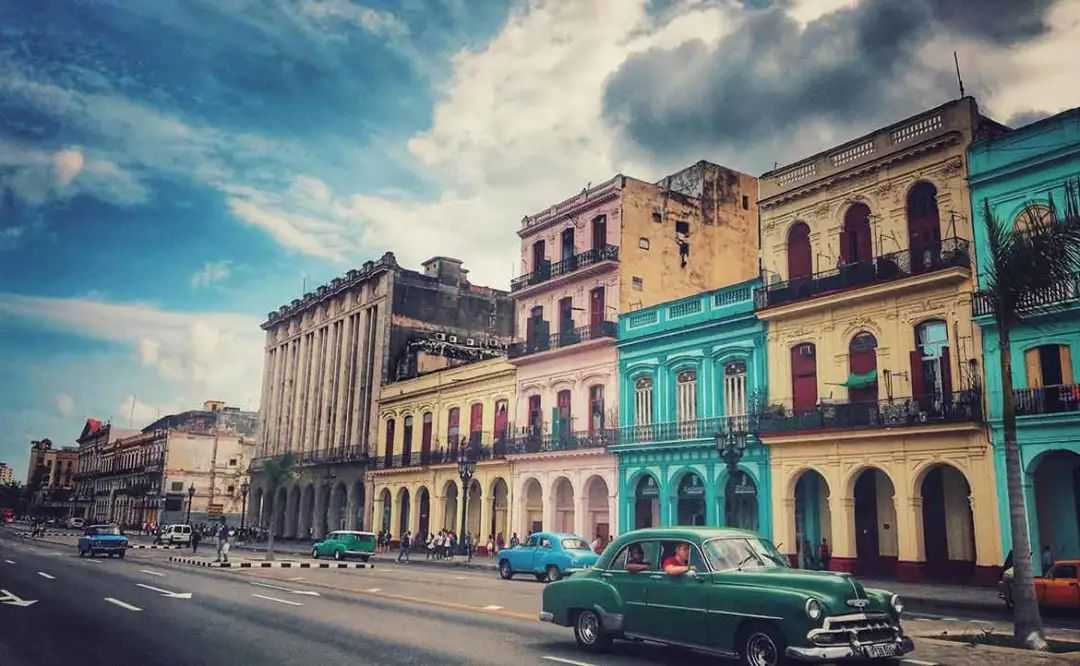
Cuba: Any Car on the Street Can Be a Taxi
In Cuba, a unique and vibrant transportation scene unfolds where almost any vehicle on the street can double as a taxi. This unusual practice is deeply ingrained in the daily life of Cubans and is a result of the country's specific historical and economic context.
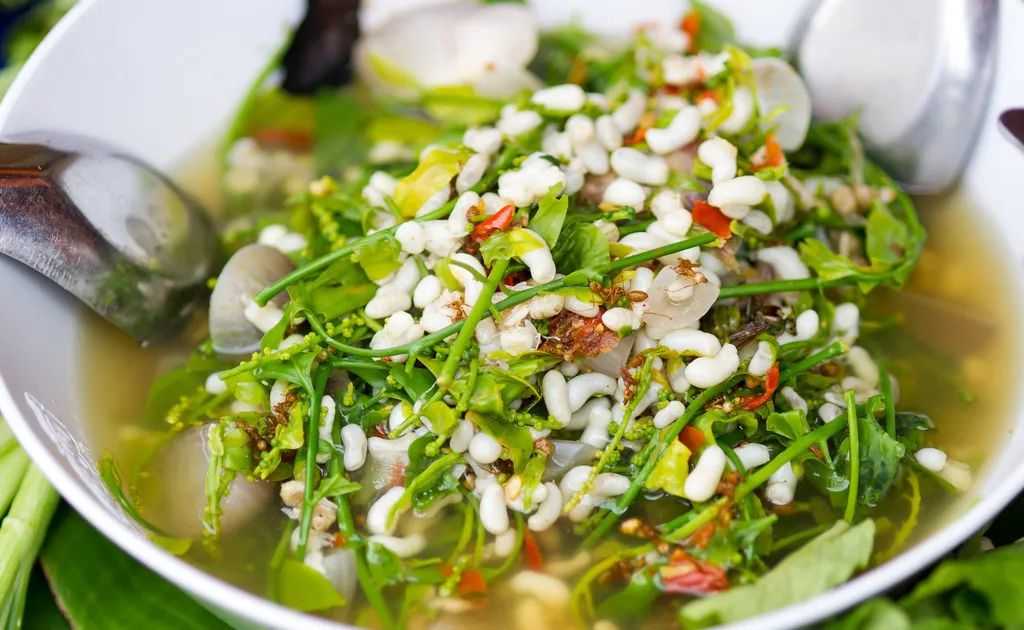
In Colombia, Ants are Consumed as Snacks
In Colombia, an unusual culinary practice has been catching the attention of people both locally and abroad. Some Colombians have a unique taste for ants, which they consume as snacks.
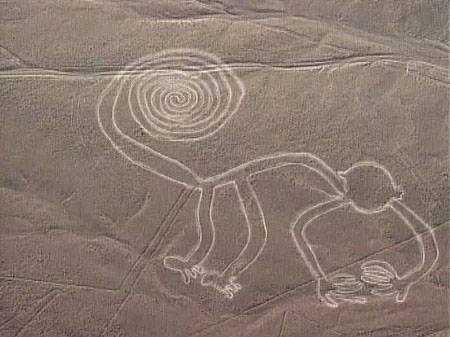
Peru's Mysterious Geoglyphs Abound
In the vast and arid Nazca desert of southern Peru, a remarkable phenomenon has intrigued the world for decades - an abundance of strange and mysterious geoglyphs. These geoglyphs, known as the Nazca Lines, were created between 500 BC and 500 AD. The local people made them by making depressions or shallow incisions in the desert floor, removing pebbles and exposing different - colored dirt.
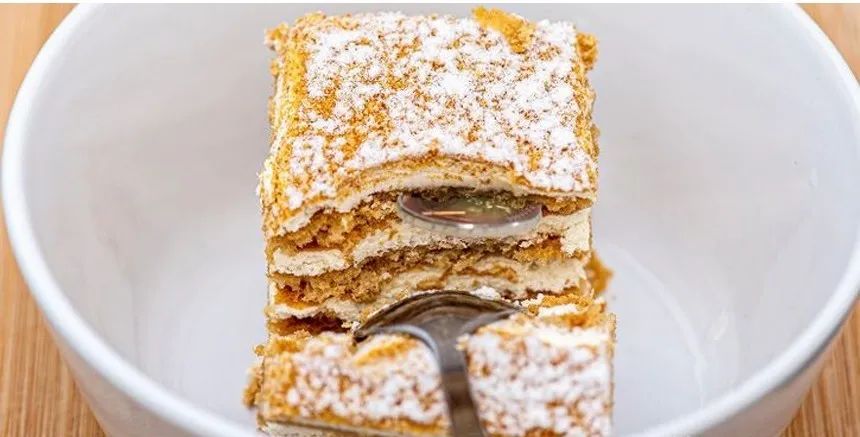
Unusual Tradition: Hiding Money in Food in Bolivia
In Bolivia, there exists an interesting and rather unique cultural practice of hiding money in food. This custom is deeply rooted in the local traditions and beliefs, adding a special touch to various occasions.
Brazil: Whistling as a Gesture of Congratulation
In Brazil, there exists a unique and interesting cultural practice - using whistling to convey congratulations. While in many parts of the world, handshakes, hugs, or verbal expressions are the norm for showing celebration, Brazil has its own distinct way.

Nauru's Unusual Path to Prosperity: Relying on Bird Droppings
Nauru, a tiny island nation in the Pacific Ocean, has a rather extraordinary story of getting rich - all thanks to bird droppings. This small island, with a land area of only about 21 square kilometers, was once an overlooked place. However, its fortunes changed dramatically due to an unexpected resource.