
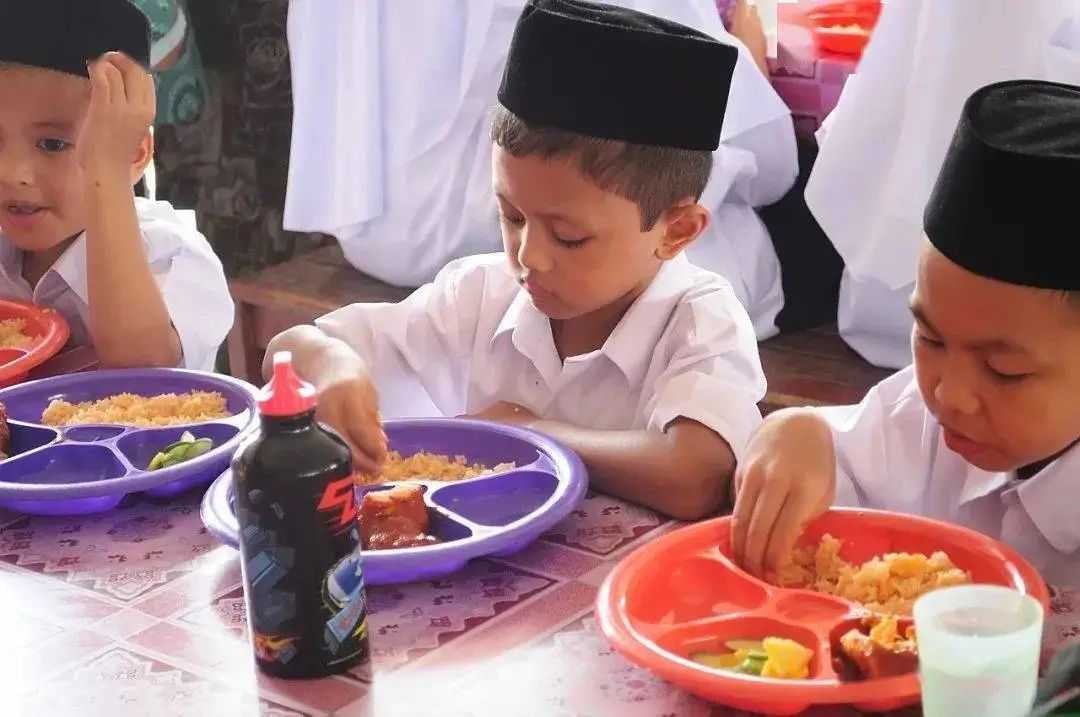
Malaysia: The Tradition of Hand - Eating
In Malaysia, hand - eating is a deeply ingrained cultural practice that continues to thrive. This tradition, far from being a universal rule, is prominently observed, especially among the Malay community and in certain cultural settings, and offers a unique and intimate dining experience.
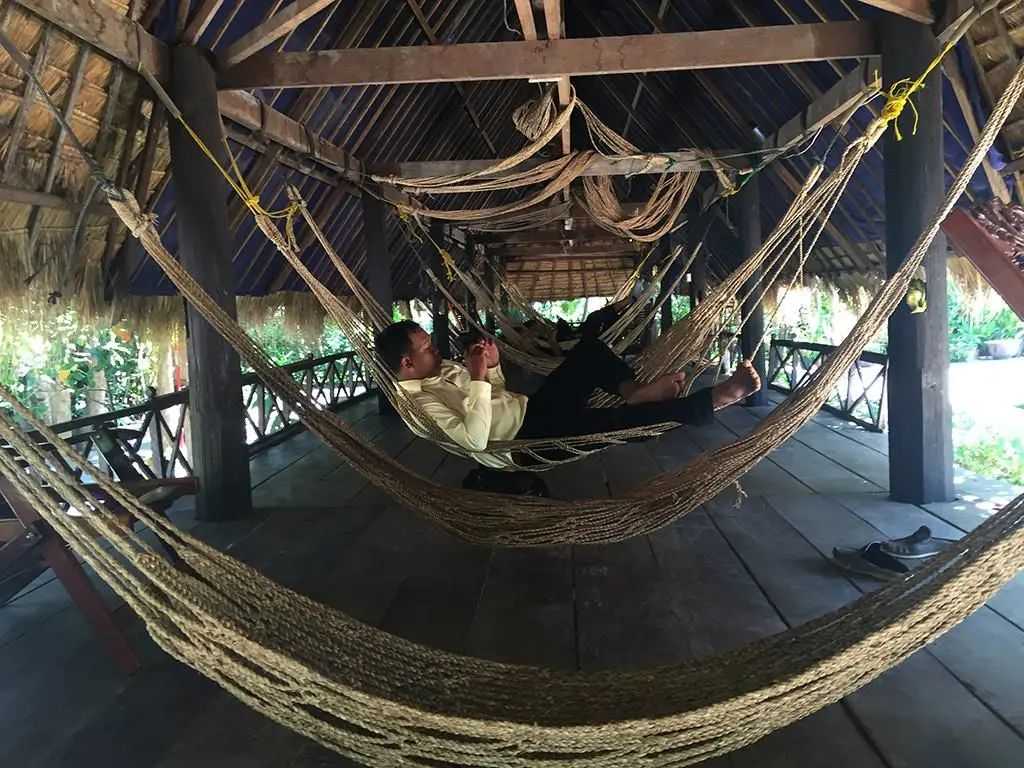
Cambodia's Unusual Sleeping Tradition: Hammocks Suspended Outside Homes
In Cambodia, a unique and eye - catching tradition sees people sleeping in hammocks suspended outside their homes, often right at the front entrance. This practice, deeply ingrained in the local way of life, is a response to the country's warm climate and the desire for a cool, breezy resting space.
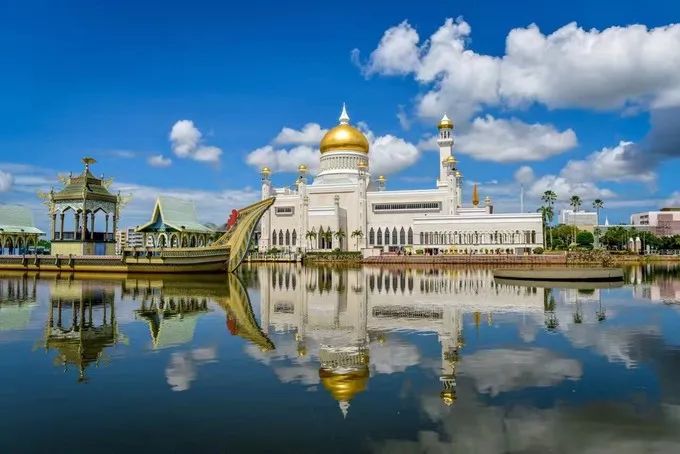
Brunei: A Tiny but Wealthy Nation
Brunei, a small Southeast Asian nation, is often described as "rich to the brim." Despite its minuscule size, it has amassed substantial wealth.
Singapore's Approach to the Sex Industry: No Ban on the Custom Industry
Singapore, known for its strict laws in many aspects, has a rather unique stance when it comes to the custom industry. Unlike some countries that have imposed outright bans, Singapore has chosen a different path.

Indonesia: An Island Nation Built on Volcanoes
Indonesia, an archipelagic nation in Southeast Asia, is known as an island nation built on volcanoes. It is located in a highly active volcanic zone, with over 130 active volcanoes scattered across its more than 17,000 islands. This geographical feature has both shaped and challenged the country.

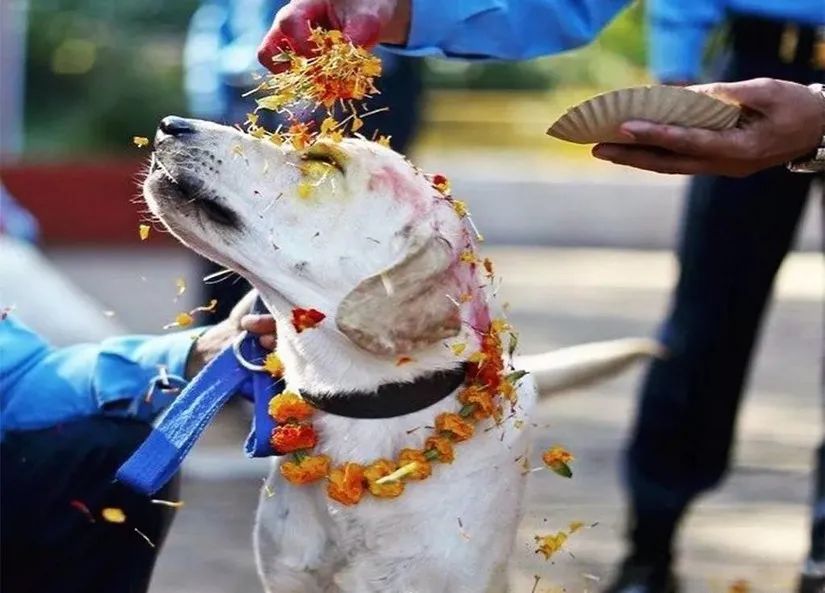
Nepal's Unique Tradition: Annual Homage to Dogs
In Nepal, a country rich in culture and traditions, there exists an extraordinary annual ritual dedicated to man’s best friend—dogs. This unique practice is part of a five - day festival known as “Kukur Tihar,” which is a significant segment of the larger Tihar festival, also referred to as the Festival of Lights in Nepal.
The Unusual Practice of Polyandry in Bhutan
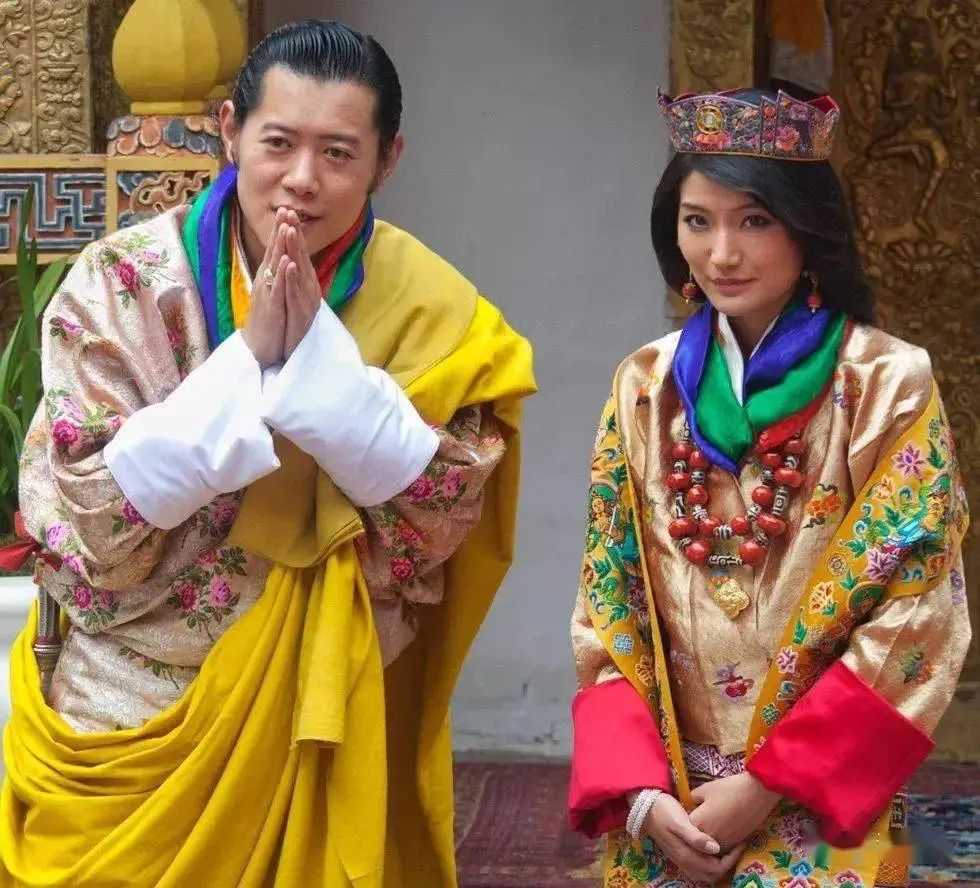
In the unique cultural tapestry of Bhutan, an ancient practice of polyandry, where a woman can have two husbands, has long been a part of the country's social fabric. Although Bhutan officially abolished this polyandry system 37 years ago and adopted a monogamous marriage law, historical and cultural inertia has ensured that traces of this custom still persist in certain regions.