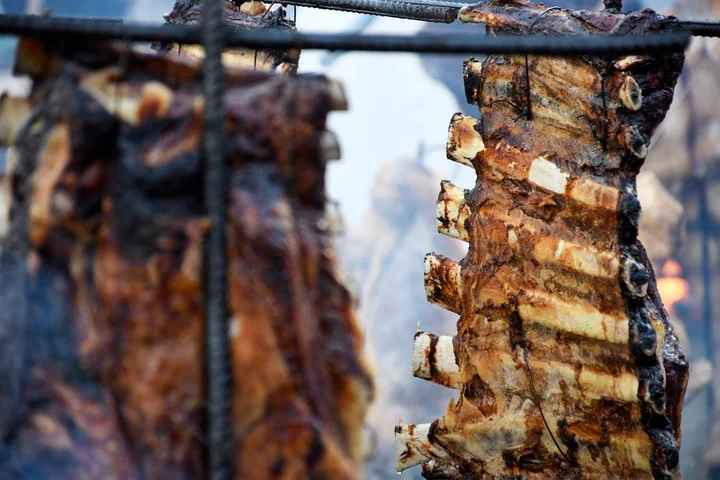
In Argentina, asado is more than a meal—it’s a sacred social ritual where friends and family gather to celebrate outdoor cooking. Fueled by charcoal or wood (with wood being iconic in rural settings), this tradition revolves around grilling every part of the animal. Staples include sausages, steaks, short ribs, spare ribs, riblets, tenderloin, rump, and belly.
In Argentina, asado is more than a meal—it’s a sacred social ritual where friends and family gather to celebrate outdoor cooking. Fueled by charcoal or wood (with wood being iconic in rural settings), this tradition revolves around grilling every part of the animal. Staples include sausages, steaks, short ribs, spare ribs, riblets, tenderloin, rump, and belly.
Source: Images from the Internet, if there is any infringement, please contact the removal of
Culture on the Grill:
Asado transcends food; it’s a symbol of Argentine hospitality and connection to the land. The slow, communal cooking over an open fire embodies the nation’s love for leisure, conversation, and savoring life’s simple joys. Whether in a city backyard or a rural estancia, the aroma of charred meat unites generations and guests alike.
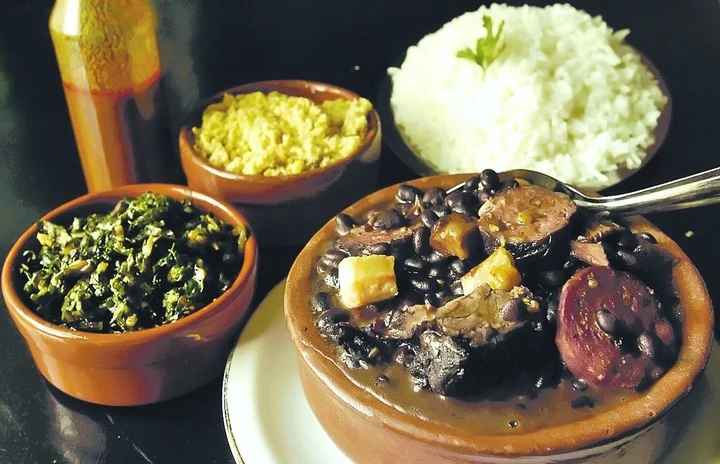
Brazil’s vast culinary landscape boasts many treasures, but feijoada stands as its most iconic dish—a rich black bean and pork stew. Originating in the 17th century at sugar plantations in Recife, it was created by enslaved Africans who repurposed leftover pork trimmings with black beans, a recipe rooted in resilience and resourcefulness.
A Dish for All Occasions:
Slow-simmered with smoked beef, pork, and 黑豆 (black beans), feijoada is typically served with rice, collard greens, cassava flour, a spicy sauce, and a slice of orange to aid digestion. While every family has its secret blend of spices and cuts, the dish remains a cornerstone of Brazilian identity, reflecting its African, Indigenous, and Portuguese heritage. Beyond Brazil, South American variations often include beef, showcasing the stew’s adaptability across borders.
Dubbed Argentina’s “unofficial national dish,” milanesa is a crispy breaded cutlet fried to golden perfection. Inspired by Italy’s Milanese escalope, this Argentine twist features beef, pork, or fish coated in breadcrumbs and served with creamy mashed potatoes, green salad, or potato chips. A popular upgrade? A fried egg perched atop the cutlet, adding a runny, savory layer.
From Milan to Buenos Aires:
Brought to Argentina by Italian immigrants, milanesa embodies the nation’s multicultural culinary fusion. Its simplicity—tender meat, crunchy crust, and versatile sides—has made it a beloved comfort food, equally at home in casual diners and family kitchens. Whether enjoyed as a quick lunch or a hearty dinner, it’s a testament to how global influences can become deeply local traditions.
These dishes—Argentina’s smoky asado, Brazil’s historic feijoada, and Argentina’s crispy milanesa—offer a window into Latin America’s rich cultural tapestry. Each bite tells a story of heritage, adaptation, and the joy of sharing food that transcends borders.
This article is for informational purposes only and does not constitute professional advice. Photos and vendor details are not included.