The U.S. Ban on the UK's Long-Range Missile Authorization Involving Ukraine and the Implications Behind It
Second, the U.S. position against the British authorization and its impact
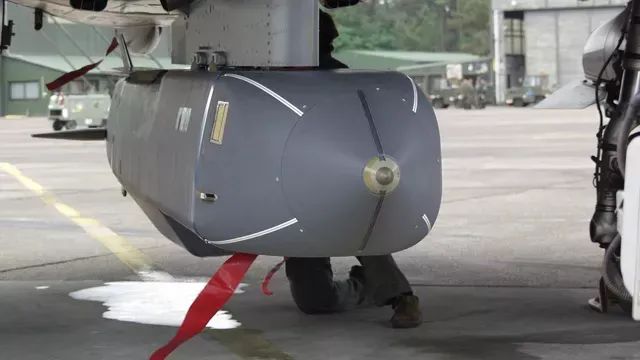
(a) The U.S. has clearly stated its opposition to the authorization that the UK may grant to Ukraine to use Storm Shadow cruise missiles to attack Russian territory. This position not only reflects the subtle differences among Western countries on the issue of assistance to Ukraine, but also has a significant impact on the overall situation. 1.
1. it has brought to the fore the complexity of the Western position on assistance to Ukraine, with the emergence of different voices and decision-making tendencies in what had appeared to be a united front.
2. This opposition has directly affected the direction of Britain's decision-making on this issue and the consideration of follow-up actions.
(ii) As the leader of the Western world, the decisive role of the attitude of the United States cannot be ignored.
1. The decision-making of the United States is based on a deep consideration of its own interests, and it is well aware of the serious consequences that might be triggered by a long-range missile attack on Russia's territory, including the enormous risk of pushing the situation to the brink of nuclear war, which the United States and the entire Western world cannot afford.
2. The U.S. opposition also provides an important reference and constraint for other Western countries on similar issues, influencing their trade-offs in decision-making on assistance to Ukraine.
III. The British Proposal and the Risks Behind It
(i) Former British Prime Minister Johnson called for full Western support for Ukraine, even including the use of long-range missiles against targets in Russia.
1. This call reflects the attitudes and sentiments of some hardliners in the UK towards Russia, reflecting their positions and ideas in the Russia-Ukraine conflict.
2. However, behind this radical proposal lies great risk and uncertainty, a reflection of a risk-taking mentality.
(ii) Potential threats to the UK in the context of nuclear deterrence.
1. Russia has a strong nuclear deterrent, and the Putin government has repeatedly emphasized that it has sufficient nuclear forces to defend its national security and will retaliate harshly against violations. 2.
2. Britain's proposal could expose its own overseas targets and domestic security to a serious threat from Russia, and it must proceed with caution on the issue of authorization.
IV. Current Situation and Response Strategies
(i) Current UK actions and implications.
1. The British government, pushed by hardliners, still continues to provide military assistance to Ukraine and tries to gain more international support, which has increased tensions in the Russia-Ukraine conflict.
2. Such moves have made the position of the Western countries on the issue of assistance to Ukraine more complicated and delicate, and added more destabilizing factors to the regional situation.
(ii) Attitudes and actions to be taken by Western countries.
1. Western countries need to remain cautious and rational, and while continuing to support Ukraine's defense efforts, they should avoid taking over-aggressive actions to intensify contradictions and trigger greater conflicts.
2. They need to strengthen communication and coordination to jointly address the challenges posed by the Russia-Ukraine conflict, and ensure that decisions on assistance to Ukraine are consistent and in the overall interest of the country.
(iii) The responsibility and role of the international community.
1. The international community should strengthen its attention to and mediation in the Russia-Ukraine conflict, and push the parties to return to the negotiation table through diplomatic channels and platforms such as international organizations.
2. Actively seek ways to resolve the conflict peacefully so as to avoid more bloodshed and sacrifice and maintain regional peace and stability.
V. Conclusion
In conclusion, the shadow of long-range missiles and nuclear deterrence always looms over the delicate situation of the Anglo-Russian standoff. Western countries must weigh the issue of assistance to Ukraine carefully and maintain rational decision-making to avoid triggering a bigger crisis due to over-aggressive actions. At the same time, the international community should also play an active role in mediation and good offices to promote the Russian and Ukrainian sides to resolve their differences and disputes through dialogue and negotiation, so as to create favorable conditions for regional peace and stability. Only through the joint efforts of all parties can we find the best way to resolve the Russian-Ukrainian conflict and achieve long-term peace and stability in the region.