Peru's Mysterious Geoglyphs Abound


Cultural News
Peru's Mysterious Geoglyphs Abound

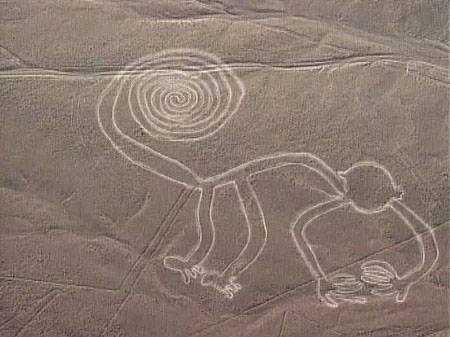
In the vast and arid Nazca desert of southern Peru, a remarkable phenomenon has intrigued the world for decades - an abundance of strange and mysterious geoglyphs. These geoglyphs, known as the Nazca Lines, were created between 500 BC and 500 AD. The local people made them by making depressions or shallow incisions in the desert floor, removing pebbles and exposing different - colored dirt.


There are two main phases in the creation of these lines. The Paracas phase, from 400 to 200 BC, and the Nazca phase, from 200 BC to 500 AD. In recent years, with the help of modern technology such as drones, between 80 and 100 new figures have been discovered. Archaeologists are confident that there are still more hidden among the desert sands.


The lines are incredibly diverse. While most run straight across the landscape, there are also elaborate figurative designs of animals like hummingbirds, spiders, fish, condors, monkeys, and plants. The combined length of all the lines exceeds 1,300 km (800 mi), covering an area of about 50 km² (19 sq mi). Some of these shapes are best seen from the air, at around 500 m (1,600 ft), although they can also be glimpsed from the surrounding foothills. Scholars have long debated the purpose of these designs, but many believe they held religious significance for the ancient people who created them. In 1994, the Nazca Lines were designated as a UNESCO World Heritage Site, highlighting their global importance and mystery.

Latest Stories
Economic News1 minute readGermany’s industrial orders fell unexpectedly by 1.4% month-on-month in May, far exceeding the market’s projected 0.1% decline and ending a three-month recovery streak. Weak domestic demand emerged as the primary drag: domestic orders plummeted 7.8%, with the computer and electronics sector crashing 17.7%, while electrical equipment and basic metals industries also contracted.
Sports News1 minute readThe Brazilian Olympic Committee (COB) has initiated strategic preparations for the 2028 Los Angeles Olympics, focusing on logistics, planning, and cross-departmental collaboration—all built on Team Brazil’s strong performance at the 2024 Paris Olympics. With three years to go until the 34th Olympic Games, the COB gathered all key departments for a meeting to officially launch its strategic roadmap. The session reviewed key tasks and shared updates from a recent inspection trip to California.
Social News1 minute readMalta, where English is an official language, has emerged as a prime destination for expats, thanks to its warm Mediterranean climate, high-quality healthcare, strong safety record, and low tax rates. These attributes make it particularly appealing to those seeking a sun-filled lifestyle, tax advantages, and the convenience of communicating in English.
Cultural News1 minute readSpain’s tomato-throwing "La Tomatina" is wildly popular, but for those who prefer hurling something tangier, head to Italy in February. At the Ivrea Carnival, thousands of ripe oranges are pelted in a juicy battle during the festival’s highlight.
Entertainment News1 minute readMargot Robbie, the Australian actress, ranked 7th in FHM’s 2015 “World’s Sexiest Women” list, a testament to her striking allure that complements her dynamic career.
Life News1 minute readThe allure of the American burger lies in its meticulous balance of textures and flavors, where each component harmonizes to create an unforgettable culinary experience. This globally beloved staple, celebrated for its simplicity yet complexity, continues to captivate taste buds worldwide.
Sports News1 minute readThe International Council of Arbitration for Sport (ICAS) released its 2024 financial statements, clarifying a frequently asked question: How much of the Court of Arbitration for Sport (CAS) funding comes from the IOC? Total operating revenue reached 24.15 million Swiss francs (CHF) (1 CHF = 1.26 USD), with a clear breakdown of sources.