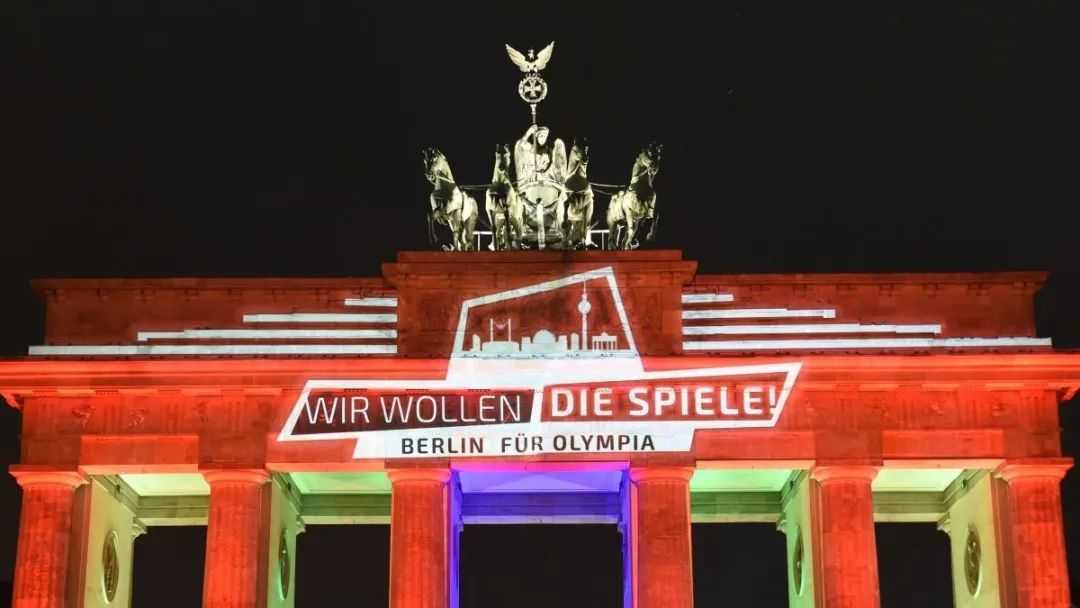
Despite a string of failed bid attempts in recent years, Germany remains enthusiastic about redefining its relationship with the Olympic Movement through bids from Berlin, Hamburg, Munich, and the Rhine-Ruhr region. These cities are competing to host a Summer Olympics between 2036 and 2044, while actively seeking public backing.
Since the 1972 Munich Olympics—marred by a terrorist attack targeting the Israeli delegation—Germany has repeatedly tried and failed to secure hosting rights. Proposals such as Berlin’s bid for the 2000 Games, Leipzig’s 2012 bid, Munich’s 2022 Winter Olympics bid, and Hamburg’s 2024 bid all collapsed before reaching the IOC. More than once, these attempts were derailed by public opposition in local referendums, where citizens questioned the high economic costs, environmental impact, and genuine sustainability of such large-scale events.
Germany’s new plans to host a future Olympics are more than just a bid; they represent a political, sports, and social strategy to earn the right to stage the world’s biggest sports spectacle. However, this requires a fresh narrative capable of convincing the public. On this front, the social climate surrounding the bid appears relatively favorable.
A representative survey commissioned by the German Olympic Sports Confederation (DOSB) and conducted by the Forsa Institute—exclusively published by Table.Briefings—shows that 68% of German citizens have a positive attitude toward Germany’s bid for the 2036-2044 Olympics. This broad majority stands in stark contrast to the opposition that scuttled previous bids.
The shift in public sentiment comes as bid teams emphasize new priorities: avoiding “white elephant” infrastructure, leveraging existing venues to reduce costs, and highlighting long-term social benefits such as urban renewal and youth sports development. These elements are central to the “new narrative” aimed at addressing past concerns over economics and sustainability.
For now, the four candidate cities are refining their proposals, each highlighting unique strengths: Berlin emphasizes its historical legacy and urban vibrancy; Hamburg showcases its innovative waterfront venue concepts; Munich touts its experience from the 1972 Games and existing winter sports infrastructure (easily adapted for summer events); and the Rhine-Ruhr region focuses on its interconnected metropolitan network, which could spread event benefits across multiple cities.
The German Olympic Sports Confederation (DOSB) has yet to set a timeline for selecting a single candidate city to represent the country. However, the 68% public approval rating provides a strong foundation—one that previous bids lacked—as Germany seeks to end its decades-long Olympic hosting drought.
As a DOSB spokesperson noted, “This isn’t just about winning a bid. It’s about proving that Germany can host in a way that aligns with public values: sustainable, cost-effective, and focused on legacy. The positive public mood is a start, but we must turn it into trust through concrete plans.”