




UK Stocks Surge for 12 Consecutive Days, Led by Financial Sector, Cryptocurrency Regulation Launched
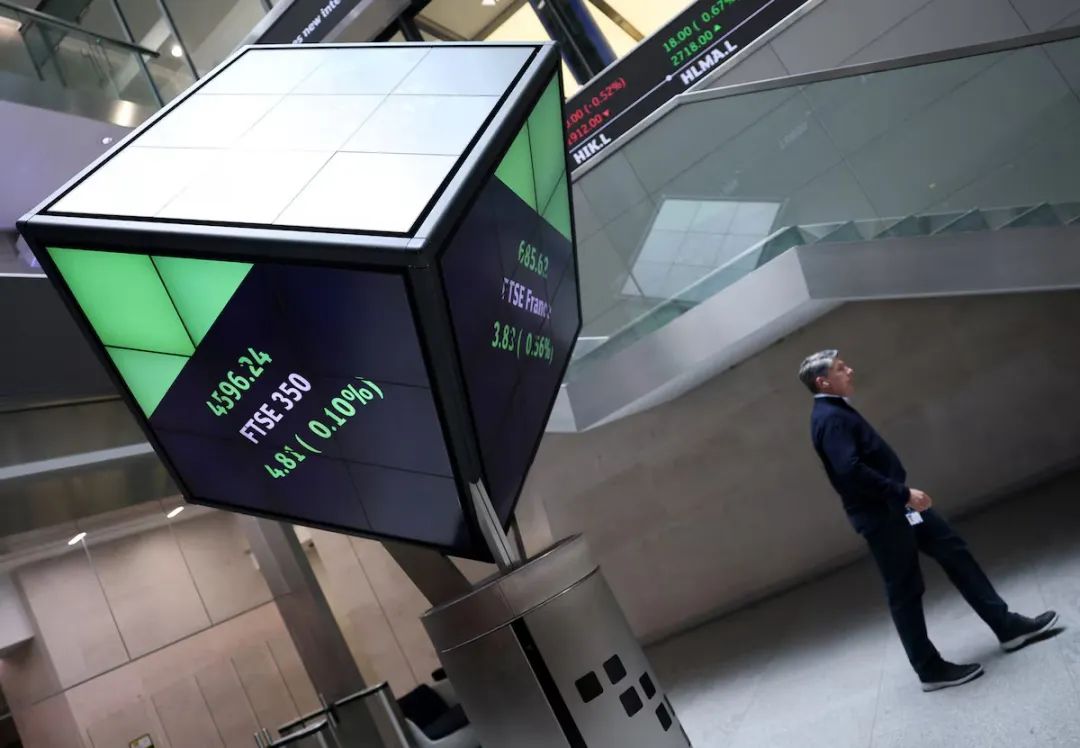
The UK stock market has witnessed an impressive rally recently. On April 29th, the FTSE 100 index rose 0.6%, achieving a 12 - day winning streak, the longest in five years. Meanwhile, the mid - cap index has climbed for five consecutive days. The financial sector, which saw a 1.9% increase, was the main driver of this upward trend. HSBC Holdings, with a 2.6% gain, led the blue - chips. It benefited from its better - than - expected Q1 profits and a $3 - billion share - buyback plan.
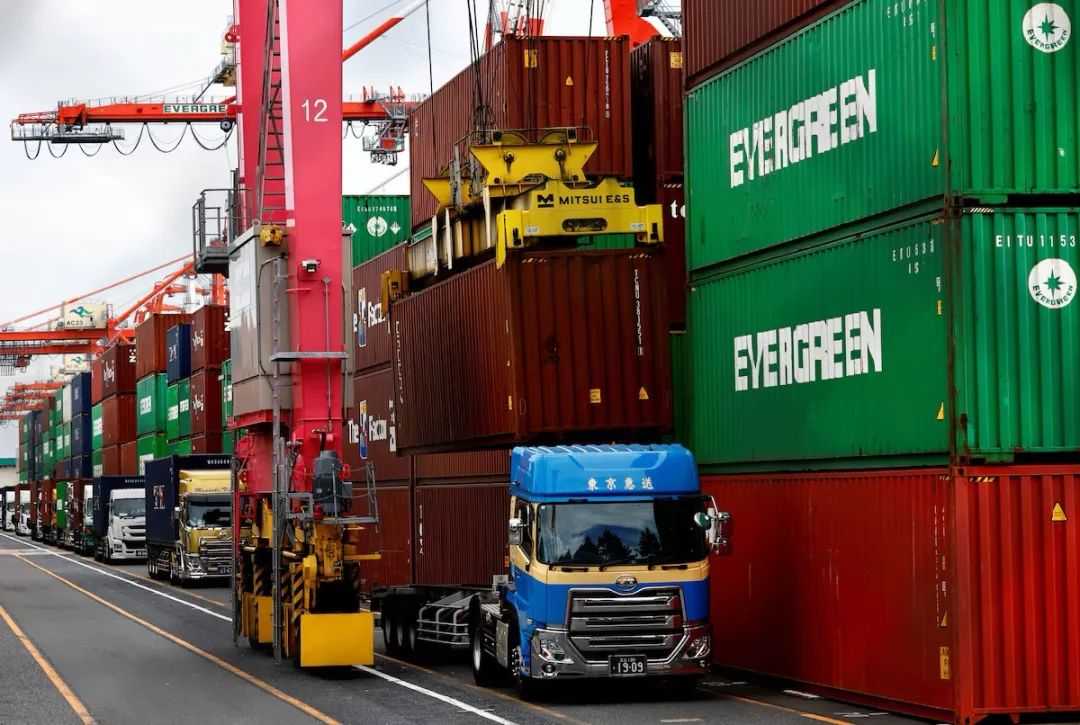
Japan Considers Easing Import Car Reviews in Bid for Tariff Exemption as US-Japan Tariff Tussle Escalates
On April 29, it was learned that the Japanese government is planning to expand the "Special Treatment System for Imported Automobiles (PHP)". The annual exemption quota for each vehicle model will be increased from 5,000 units. This move is aimed at defusing the US accusation of "non - tariff barriers" against Japan. It is intended to provide bargaining chips for the second round of US - Japan trade negotiations that will kick off on the 30th.

Japanese Stocks to Be Closed on the 29th; BoJ Expected to Keep Rates Steady This Week, Pressuring Yen's Safe-Haven Status
The Japanese stock market will be closed on April 29th. As for the Bank of Japan (BoJ), analysts widely anticipate it to maintain its current monetary policy stance in this week's meeting, which exerts downward pressure on the yen's traditional safe-haven properties.

US Economic Data Highlights: Trade Deficit Hits Record High, Housing Indexes Vary, and CDS Costs Surge
The US economic landscape showed several notable trends in recent data releases. In March, the US merchandise trade deficit ballooned to $162 billion, a 9.6% increase from the previous month and a new all - time high, well above the expected $142 billion. This was mainly driven by businesses "rushing to import" ahead of tariff implementations, which pushed the total import value to $342.7 billion, a 5% year - on - year increase. Consumer goods imports hit a record high, and imports of autos and capital goods also rose significantly.

Japan's Economy Faces Double Pressure: Manufacturing Contraction and Halted Central Bank Policy Shift
Japan's manufacturing sector has been in a continuous slump, with the PMI remaining below the boom - bust line for 10 consecutive months. In April, it recorded 48.7, and the new orders index saw its largest decline in 14 months. Weak demand from China, the US, and Europe, along with US tariff shocks, have significantly hit core export categories such as automobiles and semiconductors.
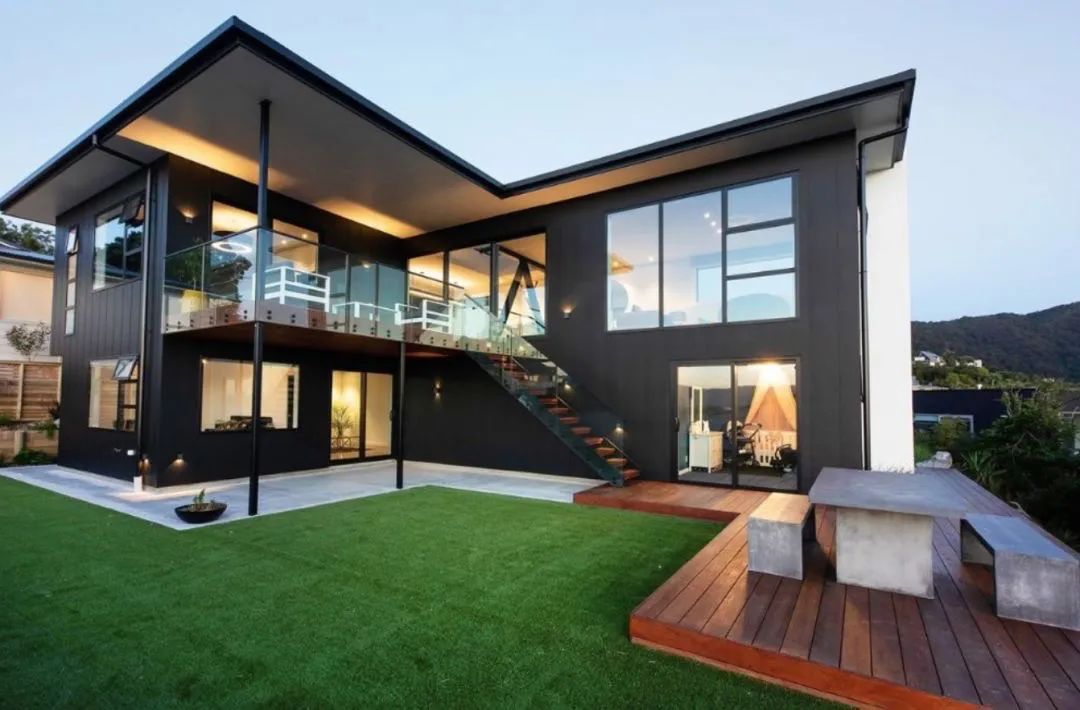
New Zealand's Housing Loan Risks Accumulate Despite Interest Rate Cuts
Despite the Reserve Bank of New Zealand initiating an interest - rate - cutting cycle in August 2024 and the continuous decline in mortgage rates, risks in the housing loan sector are steadily mounting. As of March 2025, the total amount of non - performing housing loans reached NZ$2.412 billion, an increase of NZ$249 million (11.5%) from the beginning of the year.
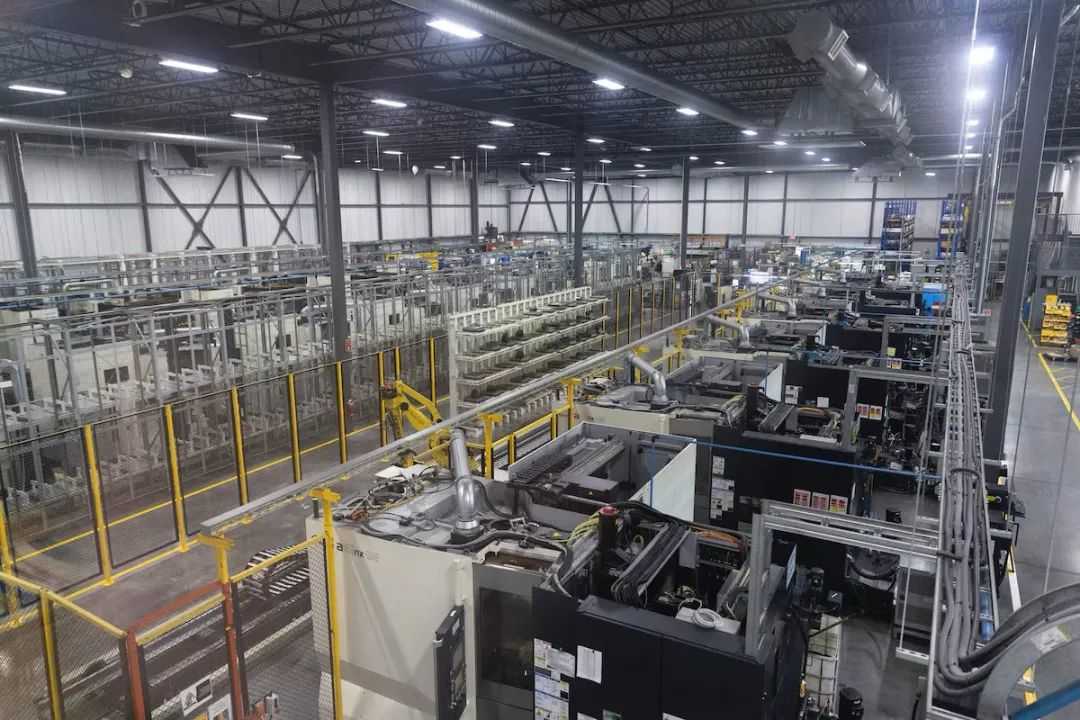
Canadian Manufacturing in Gloom as Trade War Fuels Recession Fears
Canada's manufacturing sector is mired in a deep slump, with the April Manufacturing PMI dropping to 45.3, a new low since May 2020, shrinking for 11 consecutive months. The output index plunged to 42.7 and the new orders index to 41.2, hitting capital goods producers particularly hard. Uncertainties in US tariff policies have led companies to postpone decisions, and 75% of Canadian exports to the US (steel, aluminum, autos) are facing a 25% tariff shock. Retaliatory measures have exacerbated supply - chain disruptions.
One in Four French Households Live in Severely Under-Occupied Homes: Insee Study
A study released by France’s National Institute of Statistics and Economic Studies (l'Insee) on Tuesday, July 8, reveals that a quarter of French households reside in severely under-occupied homes—defined as having at least three more rooms than actually needed. This phenomenon affects 7.6 million primary residences, 93% of which are single-family houses, with three-quarters of these under-occupied homes exceeding 100 square meters in size.